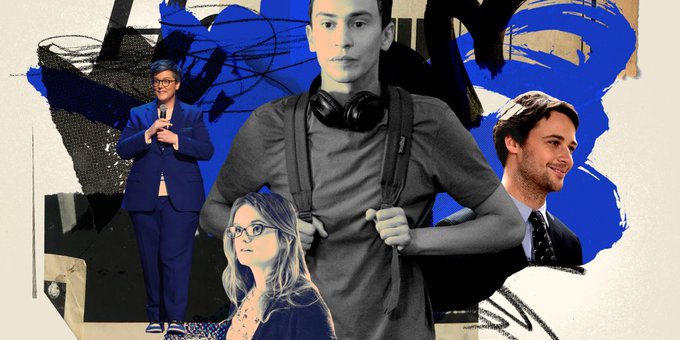
The fourth and final season of Netflix’s Atypical presented a valuable opportunity to assess both how far we’ve progressed when it comes to autistic representation in pop culture, and how far we still have to go.
Sarah wrote about why in an essay for TIME Magazine.
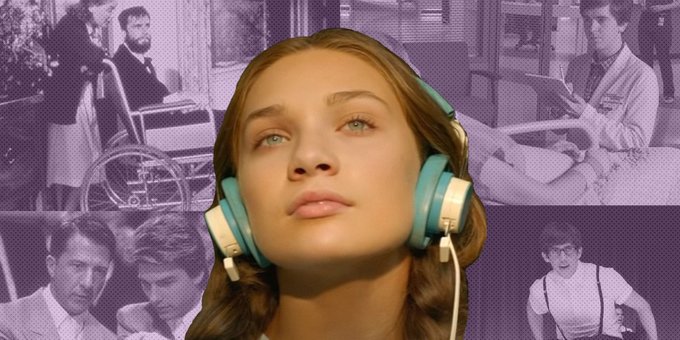
International pop star Sia made a movie called Music that was, in theory, about autistic representation.
When Sarah reviewed the film for TIME her chief concerns where that the film could potentially be “patronizing, exploitive and genuinely harmful.” What she found out was that, in addition to arguably being many of those things, it was also simply bad art.
Finally, my unique expertise has value to someone! I was recently asked to be on the Sloancast, a podcast dedicated to the band Sloan, to talk about said band and their inextricable link to the music magazine I used to manage, Chart Magazine.
Some of the topics we covered: how we’d pick the Chart Magazine cover stars, the three separate times we did the Top 50 Canadian Albums Of All Time poll, and what members of Sloan are like as hockey players.
It’s quite a romp if you care about 1990s Canadian rock music and or Sloan, specifically.
Pop culture has been particularly uneven when it comes to fair and credible autistic representation.
So it was with a healthy dose of cautious concern that Sarah was tasked with reviewing the new Netflix dating series Love On The Spectrum, featuring autistic people navigating dating, sex, romance and relationships.
The verdict? The autistic representation on Love On The Spectrum is probably better than most previous examples in television and film. But don’t treat that as a ringing endorsement. It’s a low bar to leap.
To read the review head over to TIME by going here.



 Risky Fuel